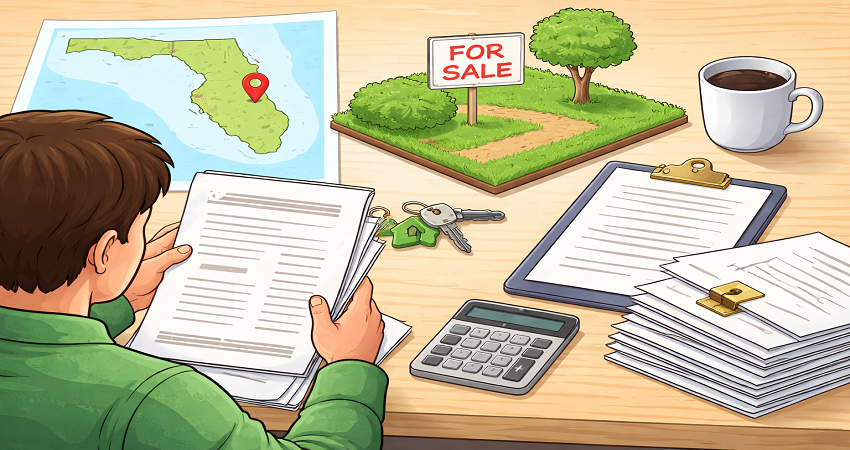
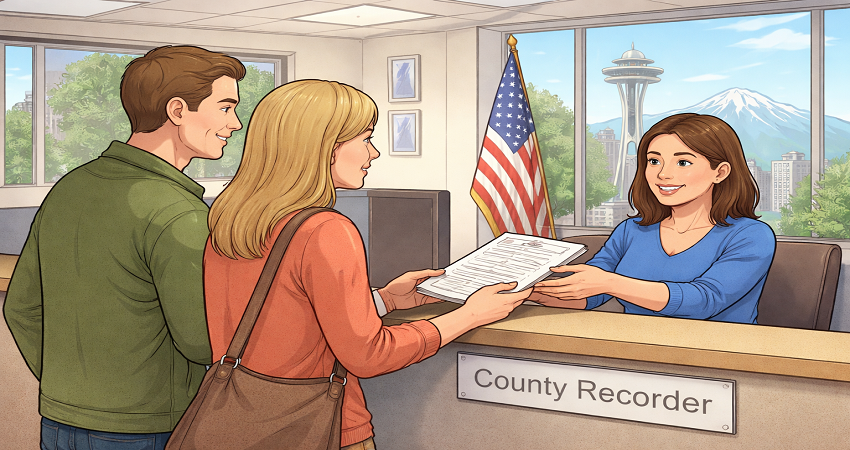
Buying land in Washington State can be an exciting step, whether you are planning to build your dream home, invest in real estate, or start a business. However, the process involves more than just selecting a piece of land and making a payment.
One of the most important aspects of purchasing land is ensuring that all required documents are in order. Proper documentation protects your investment and ensures that the transaction is legally valid.
Many buyers underestimate the importance of paperwork when purchasing land. Missing or incorrect documents can lead to delays, legal disputes, or even financial loss. That is why understanding what documents are required—and why they matter—is essential before you proceed with any land purchase in Washington.
This guide will walk you through all the essential documents required to buy land in Washington, explain their purpose, and help you navigate the process smoothly. Whether you are a first-time buyer or an experienced investor, this article will provide clarity and confidence for your transaction.
Understanding the Importance of Documentation in Land Purchase
Documentation is the foundation of any real estate transaction. In Washington, land ownership is governed by state laws that require clear, legally recognized documentation. These documents verify ownership, ensure the property is free from disputes, and confirm that the buyer has full rights to use the land.
Without proper documentation, buyers risk purchasing land with hidden issues such as unpaid taxes, legal claims, or zoning restrictions. Therefore, reviewing and verifying all paperwork before completing the purchase is not just recommended—it is essential.
Purchase and Sale Agreement
The Purchase and Sale Agreement is one of the most critical documents in the land-buying process. This legally binding contract outlines the terms and conditions agreed upon by both the buyer and the seller. It includes details such as the purchase price, closing date, contingencies, and responsibilities of each party.
In Washington, this agreement must be carefully reviewed to ensure all terms are clearly defined. Buyers should pay close attention to contingencies, such as financing approval, inspection results, and title verification. These clauses protect the buyer from potential risks.
Title Report and Title Insurance
A title report provides a detailed history of the property’s ownership. It reveals whether the seller has legal ownership and identifies any liens, encumbrances, or disputes associated with the land. In Washington, obtaining a title report is a standard part of the buying process.
Title insurance, on the other hand, protects the buyer against future claims or legal issues related to the property’s title. Even if a title search is conducted, hidden issues can arise. Title insurance offers financial protection and peace of mind.
Deed of Conveyance
The deed is the document that officially transfers ownership from the seller to the buyer. In Washington, the most commonly used deed is the Warranty Deed, which guarantees that the seller has clear ownership and the right to transfer the property.
The deed must include accurate information about the property, including legal descriptions, names of both parties, and signatures. It must also be recorded with the county to make the transfer official.
Property Disclosure Statement
The Property Disclosure Statement is a document provided by the seller that outlines known issues with the property. While this is more common in residential property sales, it can also apply to land purchases, especially if there are environmental concerns or previous uses that may affect the land.
This document helps buyers make informed decisions and avoid unexpected problems after the purchase. Sellers are legally required to disclose known material defects.
Land Survey Documents
A land survey provides detailed information about the boundaries, dimensions, and physical features of the property. In Washington, having an updated survey is highly recommended, especially for undeveloped land.
The survey ensures that there are no boundary disputes and helps buyers understand exactly what they are purchasing. It may also reveal easements or rights-of-way that could affect how the land can be used.
Zoning and Land Use Documents
Zoning laws in Washington determine how land can be used. Before purchasing land, buyers must review zoning documents to ensure the property aligns with their intended use, whether residential, commercial, agricultural, or industrial.
These documents are typically obtained from local government offices and provide information about building restrictions, land use regulations, and future development plans in the area.
Environmental Reports
Environmental reports are essential, especially for land that may have been used for industrial or agricultural purposes. These reports assess potential contamination, soil conditions, and environmental risks.
In Washington, environmental regulations are strict, and buyers may be held responsible for cleanup costs if contamination is discovered after purchase. Conducting proper environmental due diligence helps avoid costly surprises.
Financing Documents
If the land purchase is being financed, buyers will need to provide various financial documents to the lender. These may include loan agreements, credit reports, income verification, and bank statements.
Lenders in Washington typically require a thorough review of the property and the buyer’s financial status before approving a loan. Ensuring that all financing documents are accurate and complete can help speed up the approval process.
Closing Documents
Closing documents finalize the transaction and include the settlement statement, loan documents, and transfer paperwork. In Washington, the closing process is often handled by an escrow company.
These documents detail all financial aspects of the transaction, including closing costs, taxes, and fees. Buyers should carefully review all documents before signing to ensure accuracy.
Property Tax Records
Property tax records provide information about the taxes owed on the land. Buyers must verify that all taxes have been paid and understand the ongoing tax obligations.
In Washington, unpaid taxes can result in liens on the property, which can transfer to the new owner. Reviewing tax records helps ensure there are no outstanding liabilities.
Easement and Right-of-Way Documents
Easements grant others the right to use a portion of the property for specific purposes, such as utilities or access roads. These documents are important because they can affect how the land is used.
Buyers should carefully review any easement agreements to understand their impact. Ignoring these documents can lead to restrictions or disputes in the future.
Identification and Legal Documents
Buyers and sellers must provide valid identification and legal documents during the transaction. This typically includes government-issued IDs, proof of address, and, in some cases, tax identification numbers.
These documents ensure that all parties involved are legally recognized and authorized to complete the transaction.
FAQs About Documents Required To Buy Land In Washington
1. Why is a title report important when buying land in Washington?
A title report verifies the legal ownership of the property and reveals any existing liens, disputes, or encumbrances. Without it, buyers may unknowingly purchase land with legal complications. It ensures that the seller has the right to transfer ownership and that the property is free from hidden issues.
2. What happens if I skip a land survey?
Skipping a land survey can lead to boundary disputes, misunderstandings about property size, and potential legal conflicts with neighbors. A survey provides precise information about the land and helps avoid costly problems after purchase.
3. Are environmental reports mandatory?
Environmental reports are not always mandatory but are highly recommended, especially for undeveloped or previously used land. They help identify contamination or environmental risks that could impact the property’s value and usability.
4. Can I buy land without title insurance?
Yes, but it is not advisable. Title insurance protects against future claims or legal issues related to the property’s ownership. Without it, buyers may face financial losses if disputes arise.
5. What is included in closing documents?
Closing documents include the settlement statement, loan agreements, tax details, and transfer paperwork. These documents finalize the transaction and outline all financial and legal aspects of the purchase.
6. How do zoning laws affect land purchase?
Zoning laws determine how the land can be used. If the zoning does not match your intended use, you may not be able to develop the property as planned. Reviewing zoning documents ensures compliance with local regulations.
7. What is a Property Disclosure Statement?
This document outlines known issues or defects related to the property. It helps buyers make informed decisions and ensures transparency in the transaction.
8. Do I need a lawyer to buy land in Washington?
While not legally required, hiring a real estate attorney can be beneficial. They can review documents, ensure compliance with laws, and help resolve any legal issues during the transaction.
9. What are easements, and why do they matter?
Easements allow others to use part of the property for specific purposes. They can affect how you use the land, so it is important to review these agreements carefully before purchasing.
10. How can I ensure all documents are accurate?
Working with professionals such as real estate agents, attorneys, and title companies can help ensure that all documents are accurate and complete. Double-checking all paperwork before signing is also essential.
Conclusion
Buying land in Washington requires careful attention to documentation. Each document plays a crucial role in ensuring a smooth, secure, and legally valid transaction. From title reports to zoning records, every piece of paperwork helps protect your investment and prevent future issues.
By understanding the required documents and taking the time to review them thoroughly, you can confidently navigate the land-buying process. Proper preparation and due diligence will not only save you time and money but also provide peace of mind as you move forward with your purchase.